
The formal extradition hearing that will determine whether imprisoned WikiLeaks publisher Julian Assange is sent to the United States to stand trial on Espionage Act charges has completed its second day. This case is set against the backdrop of U.S. domination over Britain in two other extradition cases. These cases could undoubtedly have an impact on the decision that Assange receives.
Their first case is related to the death last August of 19-year old Harry Dunn after Anne Sacoolas, the wife of a U.S. intelligence agent turned into the wrong lane and collided with Dunn on his motorbike. Mrs Saccolas who has been identified as formerly with the CIA, fled Britain back to the U.S. The Crown Prosecution Service decided to charge her in for Dunn’s death in her absence. However, the US has refused to extradite her back to Britain, claiming she had diplomatic immunity.
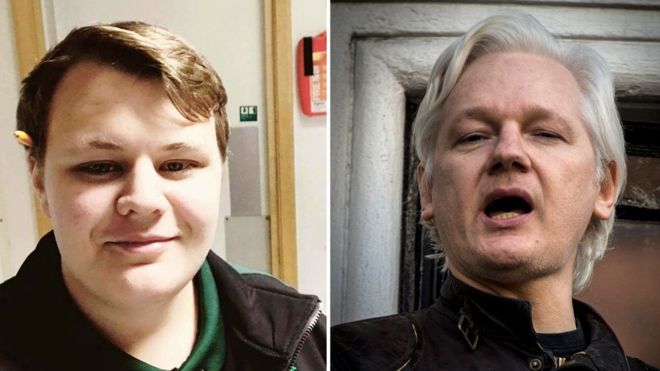
Last Sunday it was reported in the Mail that Harry Dunn’s parents had visited the British Foreign Secretary Dominic Raab last month and told him Britain should not extradite Assange to the U.S. until Sacoolas is extradited to the UK. The family and others are incensed that the US is refusing to extradite Sacoolas, while demanding at the same time the extradition of Assange. The question of British sovereignty and the power of journalism in a democracy rises to the fore.
The Saccolas case is not the only controversial case. The Home Secretary Priti Patel granted a USA extradition request earlier this month of British businessman Mike Lynch on a fraud charge. David Davies used his article in the Mail on Sunday to state that the US-UK extradition arrangements are “a bad treaty”. Mr Davies said also said, “when the US Department of Justice requests the extradition of a UK citizen, we effectively have no choice but to cough them up”.
Boris Johnson replied to a question from Jeremy Corbyn in the House of Commons on the 12th of February and said of the current extradition arrangements “I do think there are elements of that relationship that are imbalanced, and I certainly think they are worth looking at”. Talk is cheap Mr Johnson; will anything be done on this? We suspect not…


Current Affairs Correspondent | My name is Oliver Down I am 22, and a staunch brexiteer. I am a Bristolian lad who studied politics in Leicester. I believe in free speech and accurate journalism and I won’t be afraid to give you “the other side” of the story!
[sibwp_form id=4]
