
Opinion piece by Robin Horsfall submitted to Unity News Network (UNN) for editorial approval on 31/03/19 and approved/published on the 01/04/19 by UNN Editor-in-Chief, Carl D. Pearson.

What are you looking at?
I once heard a defence barrister ask his defendant what the words ‘What are you looking at?’ actually meant. The defendant answered that the words were ‘fighting talk’. The words were a threat that indicated the speaker was intending to attack him. The prosecution barrister took an opposite view and portrayed the words as a simple and harmless question. He asked ‘How could you possibly have interpreted this innocent question as a threat?’
To people who have never encountered violent people the words seem innocuous and harmless, Had I been in the jury I would have known exactly what the defendant was talking about.
In the distant past of my childhood every young man served two years national service with rare exceptions. Most of the adults running my country’s institutions were war veterans and had a profound understanding of violence. Some senior politicians had served in two world wars.

This simple story in some way demonstrates the problems that our current government have understanding the rules of war. Most if not all have grown up in safe middle-class environments. They went to good schools, universities and walked comfortably into decent jobs or even directly into politics. They have been trained to argue their points, to discuss, to compromise or even to agree to differ. They have lived their whole lives without experiencing real violence. When they receive online threats they tremble in fear of the unknown and receive expensive police escorts to take them to work.

Those of us who developed in different circumstances have a different story. We had to engage bullies at school and come to terms with people who did not want to resolve issues they simply wanted to extend their power base by humiliating another individual. This could be achieved with words but when words were ineffective brutality would suffice. Often the brutality came first because there was pleasure to be had from beating another person into submission. Such people were a normal part of my childhood and I learned who to avoid and when to run. Sadly, sometimes I couldn’t run fast enough. ‘What are you looking at?’ in my world was a prelude to attack. I could run or fight, but the talking was already over.
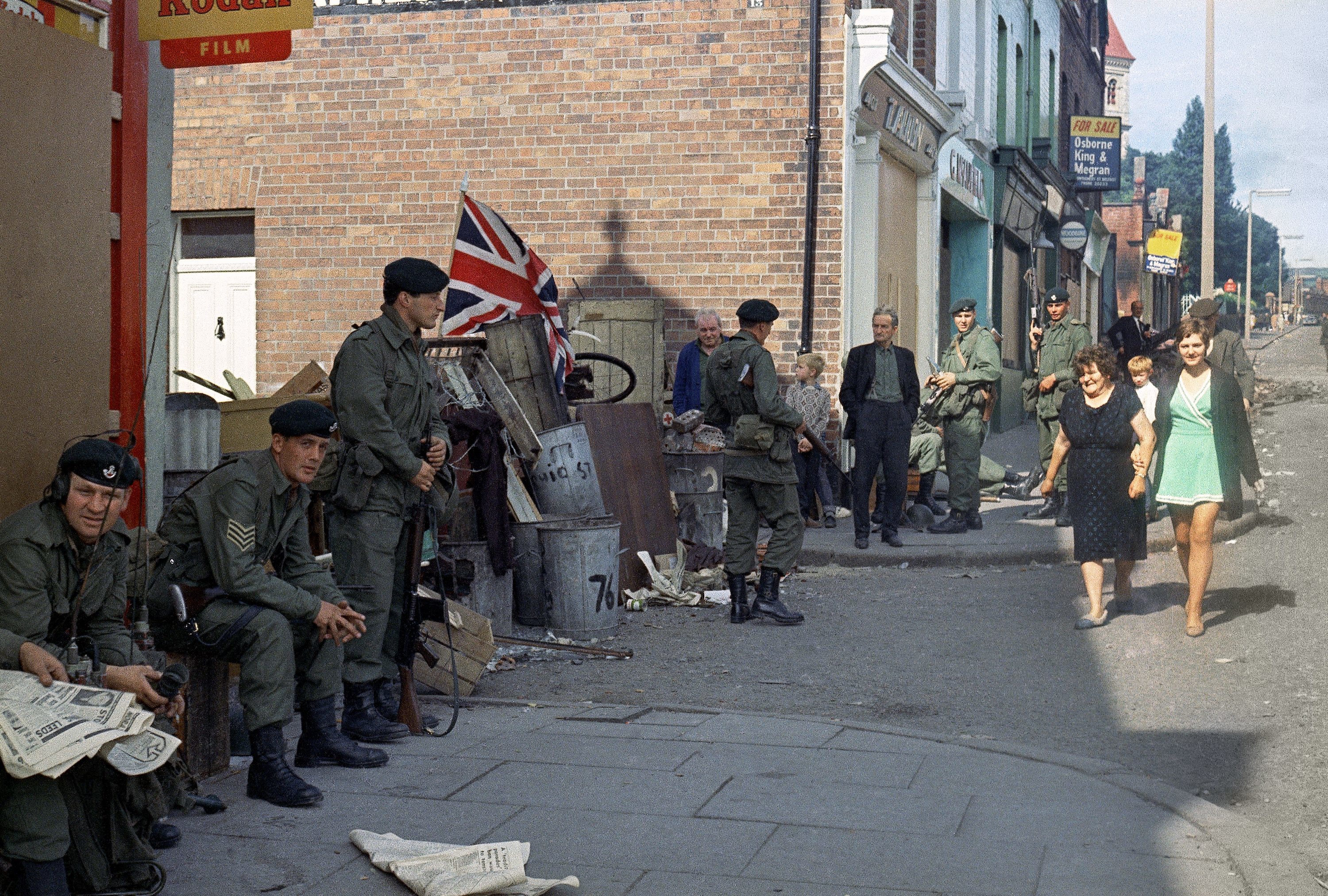
Later in life I became a fighter, I didn’t understand the people who asked ‘what are you….’ But I knew how to deal with it. I would get my retaliation in first and hurt the person who intended to hurt me. I had no protection other than my knowledge and my fists.
As a soldier I came across people who drew great prestige from fighting. Violence was an integral part of growing up. Anyone who didn’t fight was going to be a permanent victim. You either fought of you perished. I lived with violent men and we were paid to confront other violent men. However, the vindictiveness and cruelty of people was a shock that our modern leaders are incapable of understanding. A woman killed with a machete for a bunch of bananas by a starving man, a soldier killing his replacement in a fit of pique, a village wiped out because of an attack on armed forces by persons unknown. Torture of prisoners, not for information but for the ‘pleasure’ of seeing an enemy suffer. Children murdered for revenge on an enemy.

The reasons for such behaviour are quite human and simple, as simple as ‘What are you looking at’. Power, jealousy, greed, lust and anger would be the main emotions and the simplest solution is violence. ‘I want it and if I kill you I can take it’. ‘I’m frightened of you and if I kill you I won’t be frightened anymore.’
When politicians want to investigate the behaviour of British servicemen and women in an active service zone they ask lawyers to investigate. Lawyers have no more understanding of violence than MP’s do unless their speciality is criminal law and even then they need personal experience if they are to know what they are talking about.
Most soldiers understand exactly what fighting talk is and how to deal with it. Those who didn’t – often ended up dead or in hospital.

Soldiers should not have a right to commit murder but they should have the right to get their retaliation in first and save lives. To judge soldiers you need first-hand experience. This was why in the past almost all soldiers were judged by military courts. Many were punished some were even executed but those who acted in good faith were believed and understood.
The historical investigations of our soldiers is being judged by those who have no understanding of what the words ‘What are you looking at?’ really means.
Who Dares Shares!
©Robin Horsfall 2019
Check out more from Mr. Horsfall:
- SAS Hero Robin Horsfall EXPOSES SCAM prosecution of ‘Soldier F’ – An Angry Mob and a Gravy Train.
- SAS Hero Robin Horsfall: ‘Don’t let the Government sacrifice our veterans to appease murderers’

Huge thank you to Mr. Horsfall for submitting this article to Unity News Network (UNN) To find out more about Robin Horsfall you can visit his website here – http://www.robinhorsfall.co.uk/
You can find out more about SAS veteran, author and public figure Robin Horsfall via his website http://www.robinhorsfall.co.uk/
You can also find Mr. Horsfall’s books on Amazon here – https://www.amazon.co.uk/Fighting-Scared-Mercenary-Sniper-Bodyguard/dp/0304364614


Opinions from the Unity News Network (UNN) editorial team & various contributors. | UNN always clearly distinguishes between news and opinion pieces and as an open minded outlet we publish views from a variety of people and organisation that do not necessarily reflect the views of UNN or its writers. Articles published under UNN Opinions are always opinion pieces and if published on behalf of a contributor will contain that authors name at the start of the piece.
