
Cash is set to be replaced in the UK as Rishi Sunak and the Treasury are pushing the Bank of England to come up with a fully digital cash system. The Daily Mail is running with the following story which is a propaganda puff piece:
Cash in people’s pockets would be superseded by a new ‘Britcoin’ digital currency in a plan being pushed by Chancellor Rishi Sunak.
In what Treasury insiders say would be the biggest upheaval in the monetary system for centuries, the Bank of England would establish a direct digital equivalent to physical money and take control of it in the same way as sterling.
Its supporters in the Treasury say that it would allow the Bank to give the economy a boost in times of financial crisis by paying the ‘Britcoins’ directly into people’s bank accounts.
Britcoin could also cut banking costs dramatically for small firms. However, critics warn that a digital version of the pound could lead to greater financial instability
A taskforce of Treasury and Bank officials set up to examine the merits of Britcoin – known as the Central Bank Digital Currency – is expected to report to Mr Sunak by the end of the year

It could also slash the cost and time it takes to make payments online and transfer money around the banking system.


Britcoin could also cut banking costs dramatically for small firms. However, critics warn that a digital version of the pound could lead to greater financial instability – making it harder for the Bank to regulate the economy with monetary policies such as setting interest rates.
The first country in the world to explore a fully digital currency is Communist Controlled China where they implement a ‘social credit score’ system whereby if you are seen to defy the state you can see your privileges, such as being able to book a train ticket, removed.
This is what the Bank of England has to say about this:
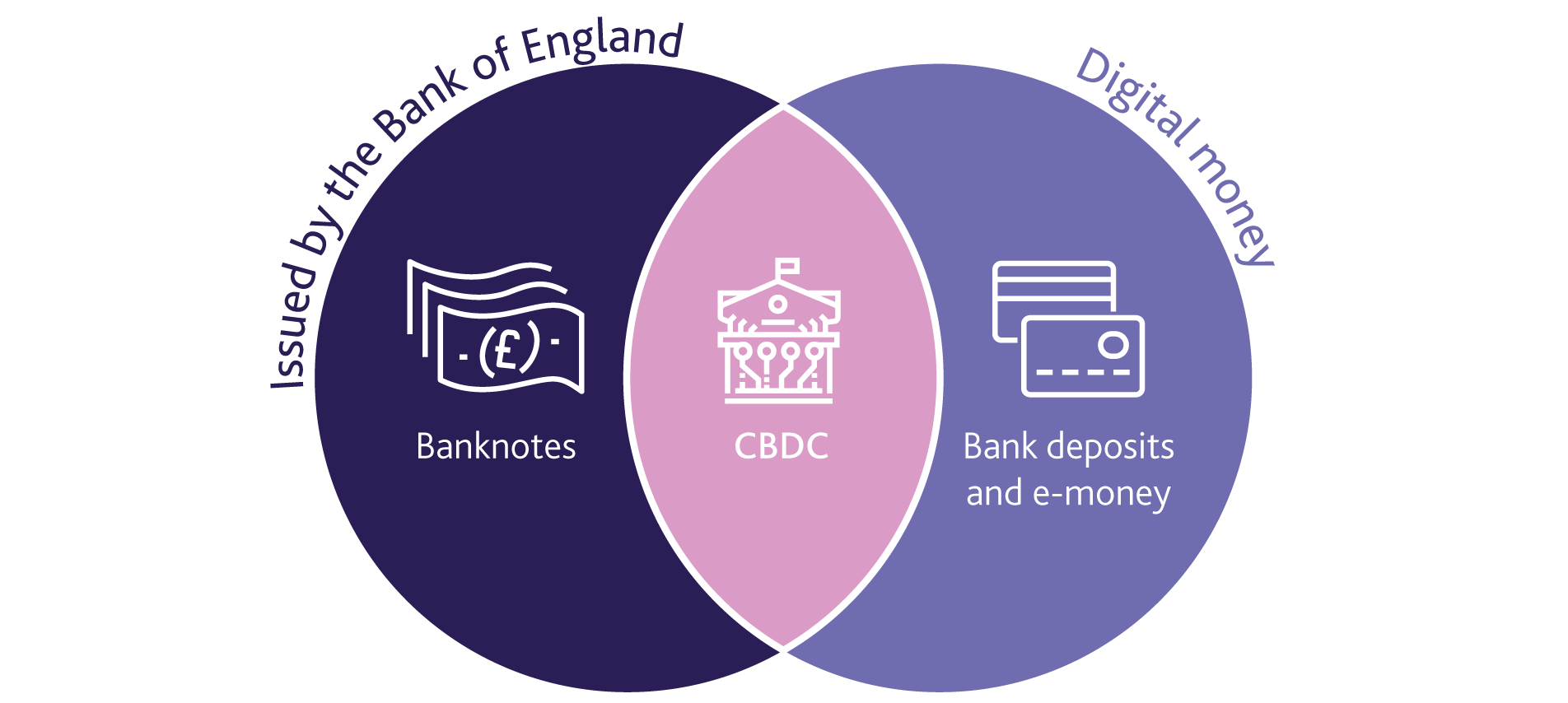
The Bank provides physical money in the form of banknotes, which can be used by households and businesses to make payments. We also provide electronic money, but this can only be used by banks and selected financial institutions. A Central Bank Digital Currency would make electronic money, issued by the Bank of England, available to all households and businesses. This would allow everyone to make electronic payments in central bank money.
If a CBDC were to be introduced, it would be denominated in pounds sterling, just like banknotes, so £10 of CBDC would always be worth the same as a £10 note. CBDC is sometimes thought of as equivalent to a digital banknote, although in some respects it may have as much in common with a bank deposit. Any CBDC would be introduced alongside – rather than replacing – cash and bank deposits.
We have not yet made a decision on whether to introduce CBDC. In March 2020 we published our Discussion Paper on CBDC, which outlines one possible approach to the design of CBDC and asks for feedback from the payments industry, academics, and other interested parties.
CBDC could create new opportunities for payments and the way the Bank keeps prices and the whole UK financial system stable. But it could also create challenges, which we would need to manage very carefully. So we are actively researching CBDC and drawing on expertise from across and outside of the Bank. Our 2020 CBDC Discussion Paper outlines our key areas of research, and our summary of responses to the Discussion Paper outlines the feedback we received.
Recognising that the way we make payments and use money is changing rapidly, we have also published a Discussion Paper on new forms of digital money, which aims to broaden the debate and seek views on the Bank’s emerging thoughts on the subject.
The Bank of England and HM Treasury have created a Central Bank Digital Currency (CBDC) Taskforce to coordinate the exploration of a potential UK CBDC. Information about the Taskforce can be found below. The Bank has also established two external engagement groups. The CBDC Engagement Forum, chaired jointly with HM Treasury, will engage senior stakeholders and gather strategic input on all non-technology aspects of CBDC. The CBDC Technology Forum will engage stakeholders and gather input on all technology aspects of CBDC from a diverse cross-section of expertise and perspectives. The Terms of Reference of each Forum and information on how to apply to become a member can also be found below.
Many warned at the start of the ‘pandemic’ that bringing in compulsory chip and pin payments was part of a plan to prepare people for a fully controlled cashless society and this now looks like once again the ‘conspiracy theorists’ were proved correct.


Lead Correspondent | David Clews is the Lead Correspondent for UNN, with over 20 years of political/campaigning experience and a wealth of social media and communication skills David gets to the heart of what is really important to the real people of the UK.
Keep up to date with all of David & UN’s work by linking up with us on our Social Media Channels by Clicking Here Now: https://unitynewsnetwork.co.uk/our-social-media-links/
